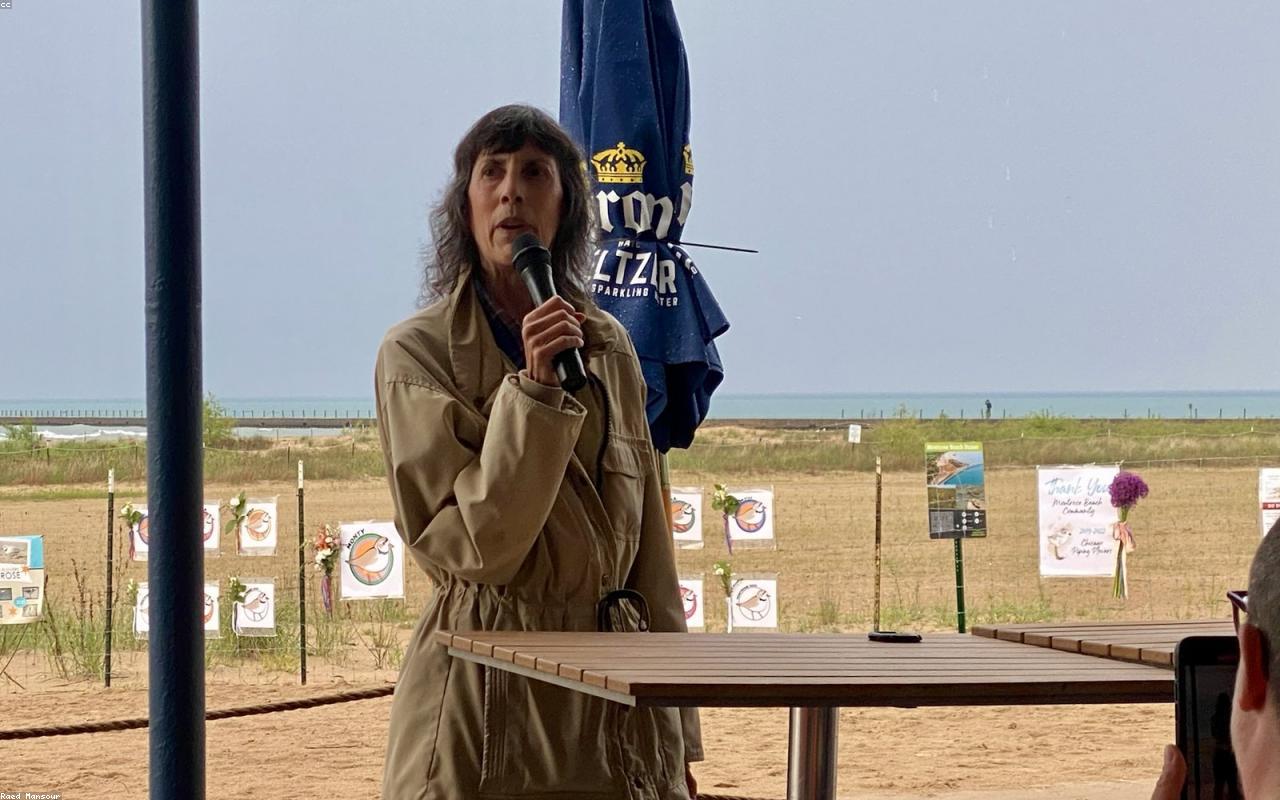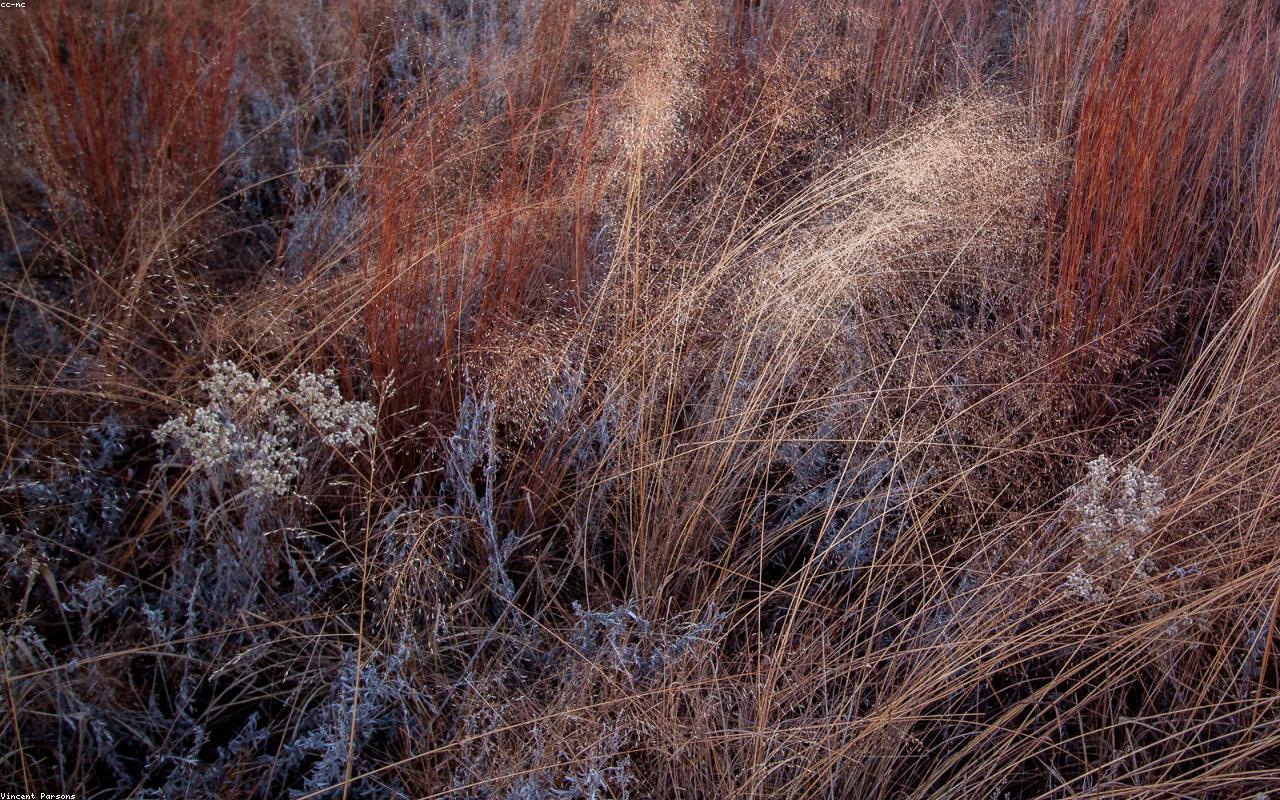
On the Three Lakes Wildlife Management Area in Osceola County, Florida, on the morning of May 7, biologist Erin Ragheb opened the door of a soft-release aviary and watched twelve captive-bred Florida grasshopper sparrows step into a landscape of dwarf live oak and wiregrass.
Eleven of the twelve flew within the first hour. The twelfth, a male designated 2026-31, stayed in the aviary's shadow for ninety minutes before moving into the scrub in a low looping flight. By the end of the week, transmitter signals located eight of the twelve birds within two kilometres of the release site.
The Florida grasshopper sparrow, Ammodramus savannarum floridanus, is a non-migratory subspecies endemic to the dry prairie of south-central Florida. It is, by most measures, the most endangered bird in the continental United States.
The wild population fell from an estimated 1,000 birds in 1999 to fewer than 80 in 2017. The collapse was driven by habitat loss, altered fire regimes, and a still-incompletely-understood disease syndrome involving a fungal pathogen affecting nestlings.
Captive breeding began as a last-resort intervention in 2015. The first captive-bred birds were released to the wild in 2019. As of June 2026, more than 1,000 captive-bred sparrows have been released across three core sites: Three Lakes, Avon Park Air Force Range, and the Kissimmee Prairie Preserve.
The wild plus captive-bred population is now estimated at between 180 and 230 territorial adult males across all sites, with associated females not reliably counted because of the species' cryptic ground-nesting behaviour.
The figure is roughly triple the 2017 low. It is roughly a quarter of the 1999 estimate. By either reference point, it is something other than what an ecologist would call recovered.
The captive breeding programme is run as a partnership between the Florida Fish and Wildlife Conservation Commission, the United States Fish and Wildlife Service, and four breeding facilities including the White Oak Conservation Center near Yulee. The annual production target is roughly 200 release-ready juveniles.
The bottleneck is not breeding capacity. The bottleneck is the prairie.
Florida dry prairie, the species' only habitat, has been reduced by more than 85 percent since the early twentieth century. The remaining tracts are fragmented, surrounded by improved pasture and citrus, and dependent on regular prescribed fire to maintain the open structure the sparrow requires.
Fire management is the operational core of the recovery. The Three Lakes site is burned on a roughly two-year rotation across its 60,000 acres, with burn units sized and timed to maintain a mosaic of vegetation ages that includes the recently burned habitat the sparrow most prefers.
Without fire, the prairie progresses toward dense palmetto and oak cover within five to seven years. With fire, it holds the wiregrass and bunchgrass matrix the sparrows nest in.
Ragheb, who has worked the recovery since 2014, walks transects at Three Lakes at dawn between April and July. The species is detected almost entirely by song. The males sing from low perches in short repeated phrases that carry roughly forty metres on a still morning.
She located twenty-three singing males at Three Lakes through the May 2026 survey window. The figure was up from nineteen the previous May and from fourteen the year before that.
Pairing success and nest survival are harder to measure. The species' nests are domed structures hidden in dense ground cover, located by intensive searching rather than by observation of adult behaviour. The 2025 nesting season produced 41 confirmed nests across all sites, of which 22 fledged at least one chick.
The fungal pathogen, an undescribed Aspergillus species first identified in the late 2010s, continues to affect nestlings. The route of infection is not fully characterised. Treatment is not currently feasible in a wild-nesting context.
The captive breeding facilities have implemented stringent biosecurity protocols that have substantially reduced but not eliminated mortality in captive-bred juveniles. Each cohort of release birds is screened before transfer to the soft-release aviaries.
What the May 2026 release looked like, walking back to the trucks after Ragheb closed the aviary door, was a routine procedure. The protocol has been refined. The facilities are practised. The release sites are managed.
What the release also looked like, on the larger view, is a species that requires this exact effort, every year, indefinitely, to maintain even its current diminished population. The Florida grasshopper sparrow is not a self-sustaining wild bird. It has not been one in at least a decade.
Whether it can be returned to that condition is an open question that the recovery team is reluctant to answer in either direction. The honest version of the answer is that recovery to a self-sustaining state requires significantly more dry prairie than currently exists, and the creation of new dry prairie is a multi-decade undertaking that is not yet seriously planned.
Ragheb will be back at Three Lakes in late June for the next survey window. The twelve birds released on May 7 will be followed by another cohort of fifteen in early July. The work proceeds at the pace the work can be done.