Citizen Science
The Bird Banding Laboratory: Records Going Back a Century
Volunteer banders have placed leg bands on over 78 million North American birds since 1920. Marius Doyle reads from the lab's recovery records.
Section
eBird at twenty years, the Christmas Bird Count, breeding bird atlases, what amateurs have given the field.
Citizen Science
Volunteer banders have placed leg bands on over 78 million North American birds since 1920. Marius Doyle reads from the lab's recovery records.

Citizen Science
Every February, hundreds of thousands of people count birds for four days. Jasper Wynn examines what such a brief survey can and cannot show.
Citizen Science
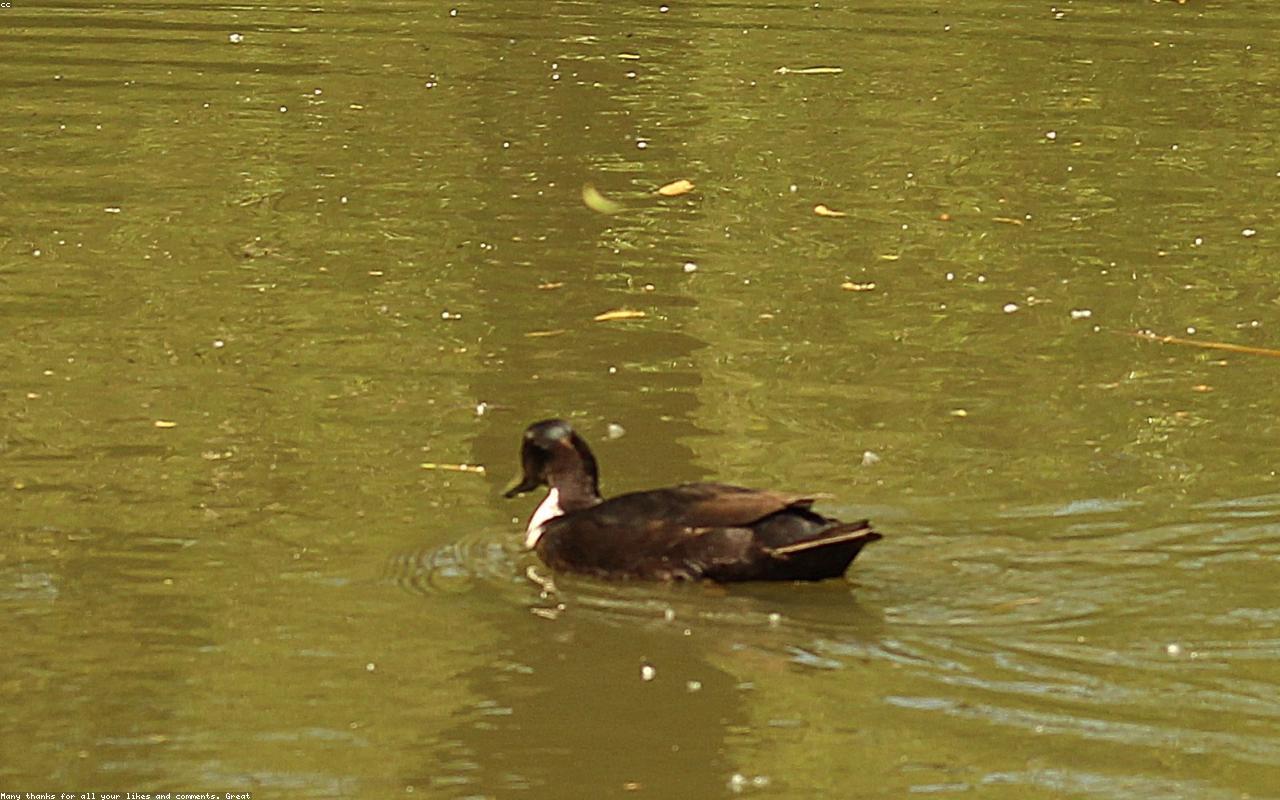
For two decades, NestWatch volunteers have produced one of the most detailed records of avian reproductive success in North America. Edith Crale visits a participant in upstate New York.
Citizen Science
Since 1974, an unusual network of amateur counters has tracked the shorebirds that move between the Arctic and Patagonia. Inara Khan walks a count site at Plum Island.
Citizen Science
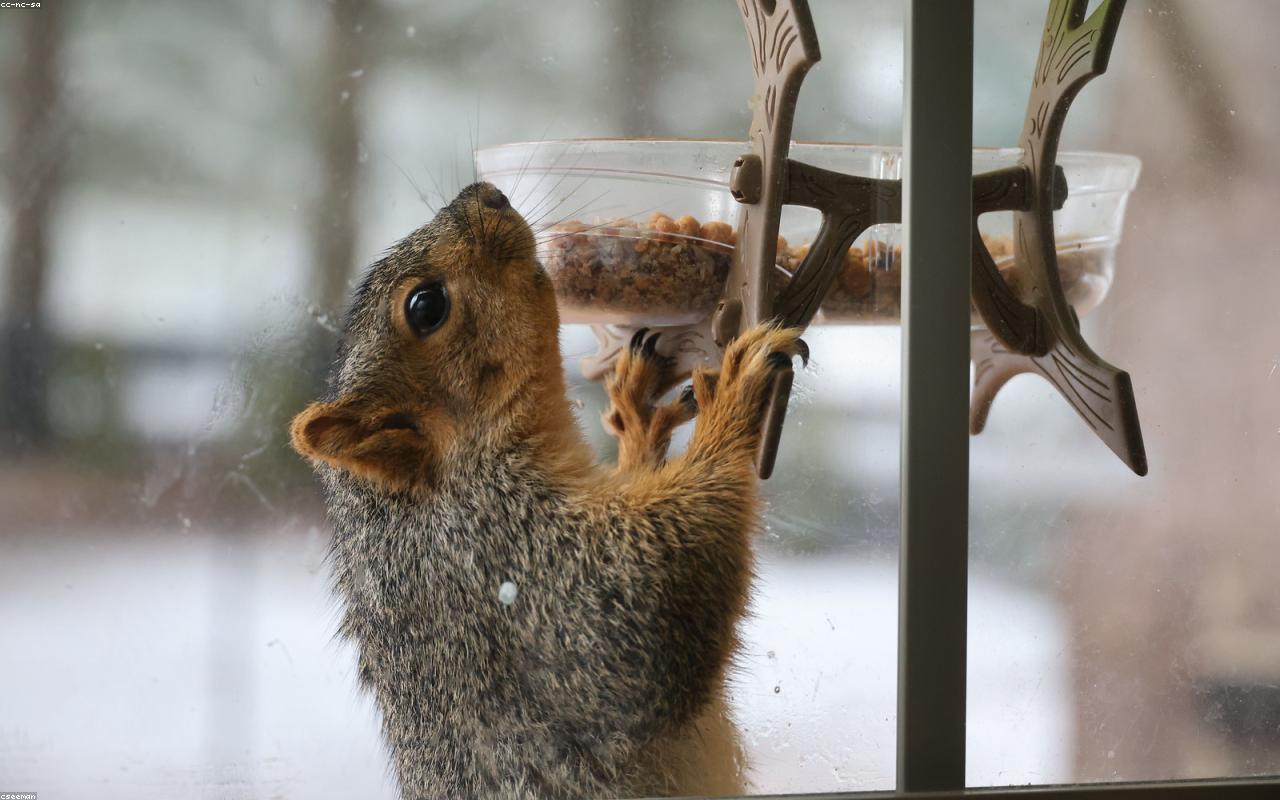
Forty years of counts at suburban bird feeders have produced an unusual dataset. Pell Murphy looks at what it has told us about a continent's winter birds.
Citizen Science
After five years of fieldwork by 2,100 volunteers, the second Pennsylvania Breeding Bird Atlas is in print. Marius Doyle reads it slowly.
Citizen Science
Frank Chapman started it in 1900 as an alternative to the holiday side-hunt. Edith Crale walks through what the count has become, and why its method still works.

Citizen Science
When the Cornell Lab launched eBird in 2002, no one expected birders would file more than a hundred million checklists. Pell Murphy looks back at the numbers, and at the people who put them in.