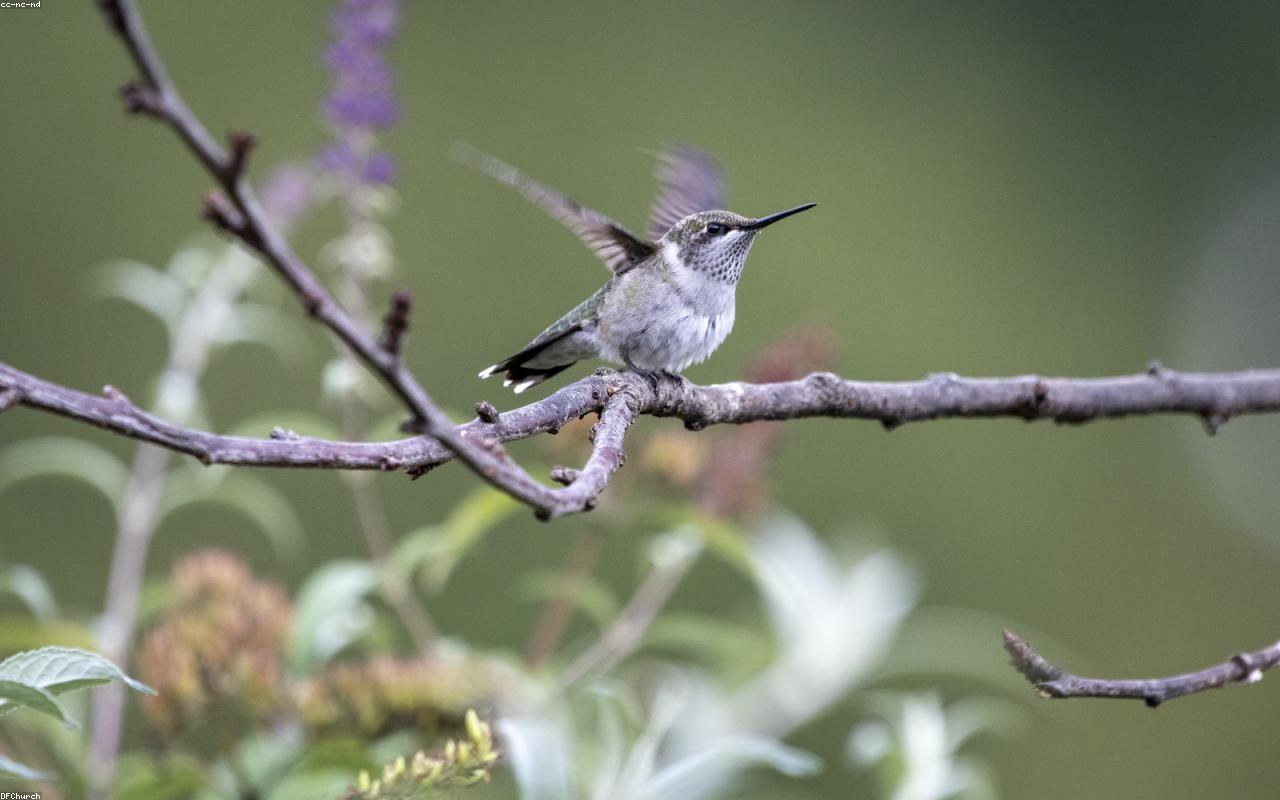
In November of 2024, a retired electrical engineer named Don Pavlik installed a thirty-dollar heated birdbath on a cedar post in his backyard in Shaker Heights, Ohio. The bath is twelve inches in diameter, holds about a gallon, and draws sixty watts on a thermostat that switches it off above forty-five degrees Fahrenheit.
Across the winter of 2024-2025, Pavlik logged 37 bird species at the bath. Across the previous eight winters, the same yard's three feeders had produced a cumulative total of 41 species. The bath, in one season, had nearly doubled the species diversity of his yard.
Pavlik is not a professional, and his methodology is informal. He counts what he sees from his kitchen window between sunrise and noon on weekend days. The numbers are not strictly comparable. But the pattern — that water dramatically out-performs seed as a winter attractant in much of the eastern United States — is consistent with what the National Audubon Society's backyard surveys have shown for decades.
The reason is straightforward. In a northern winter, drinkable water is the limiting resource for most birds. Open puddles freeze. Streams ice over. Snowmelt is sporadic. The birds that eat seed or suet from feeders still need to drink, and the bird that finds an open water source in January will return to it more reliably than to any feeder.
The species composition at a winter birdbath also differs from the feeder. Robins, which do not generally eat seed, congregate at heated baths in flocks of forty or fifty. Cedar waxwings, which eat berries and almost never visit a feeder, come to drink. Bluebirds, hermit thrushes, and yellow-rumped warblers — three species the feeder-watcher rarely sees in winter — appear at water.
Pavlik's species list from his first heated-bath winter included all four of those, plus three woodpecker species, both nuthatches, the usual chickadees and titmice, six sparrow species, and a single brown creeper that he watched drink for almost a minute one January morning. He had never seen a creeper in his yard before.
The choice of bath matters less than is commonly suggested. The two basic requirements are a shallow basin — no more than two inches at the deepest point — and a rough surface that birds can grip when wet. The expensive ceramic basins are no more effective than the moulded resin units sold at hardware stores. The bath that fails is the one with smooth glazed sides that birds cannot stand in, or the one too deep for sparrows to use.
Heating is the variable that changes the winter equation. A bath that freezes is no bath at all. The two solutions are the integrated heated bath, which has the element built into the basin and switches off automatically above freezing, or the immersion-style de-icer that drops into a standard bath. Either approach uses between forty and seventy-five watts on a thermostat. The electricity cost for a full winter in northern Ohio is roughly twelve dollars at current rates.
Cleaning is the maintenance variable most often neglected. Birdbaths grow algae and harbour the same bacteria that contaminate feeders. Pavlik scrubs his bath with a stiff brush every Saturday morning, refills it with fresh water, and once a month treats it with a 1:9 bleach solution that he rinses out thoroughly before refilling.
He learned the cleaning protocol from the Cuyahoga Valley Audubon chapter's winter feeding workshop, which he attended in October 2024. The workshop, taught by a wildlife rehabilitator named Sandra Kovalcik, emphasized that an unwashed bath is worse than no bath — concentrating birds at a contaminated water source produces precisely the disease outbreaks that the birder hopes to avoid.
Kovalcik's recommended sequence is consistent with the protocols at the National Wildlife Health Center. Scrub weekly with a brush kept only for the bath. Empty completely between cleanings, not just topped up. Bleach disinfect monthly. Take the bath down entirely for two weeks if any sick birds appear.
The summer bath operates by different rules. In hot weather, the limiting resource is no longer water itself but moving water — the sound of dripping or splashing that birds detect at distances of two hundred metres or more. A simple addition to a standard bath, a small recirculating dripper or a stone-and-pump bubbler, will multiply summer use by a factor of three to five, in Kovalcik's experience.
Pavlik added a $22 solar-powered dripper to his bath in April 2025. The pump runs whenever the sun is on the panel, which in his yard is from about ten in the morning until three in the afternoon. The summer species list at the bath, between May and September, included four warbler species — two of them on migration — that had never visited his yard's feeders in the previous decade.
The location of the bath matters. The standard recommendation is to place it within six to ten feet of cover — a shrub, a brush pile, a fence corner — where birds can retreat from a hawk. Too far from cover, and small birds feel exposed. Too close, and the cat that lives next door has an ambush position.
Pavlik's bath is eight feet from the cedar hedge on the east side of his yard. The cedar provides shelter from wind and a staging branch where birds can dry and preen after bathing. The combination of bath and hedge is essentially a small, deliberately designed habitat. It does more work than any single feeder.
The unsentimental version of the water-feature argument is that water is cheaper, easier to maintain, and attracts a wider range of species than seed. The seed feeder is the more visible commitment, and the more marketed one. The bath, particularly in winter, is the higher-leverage investment.
Pavlik kept his bath running through the winter of 2025-2026, which was milder than the previous one and produced a slightly lower species count of 31. He has now logged 49 distinct species at the bath across two winters. The cumulative life list for his yard, since he moved in fourteen years ago, stands at 73.
He intends, this autumn, to add a second bath at ground level — a shallow plant saucer set in the garden bed — to serve the sparrows, juncos, and towhees that prefer to drink from a low source. The full installation will have cost him perhaps eighty dollars and an annual electricity bill of about fifteen. The birds, by every measure he keeps, will continue to come.