On the second Saturday in February of 2026, a woman named Ruth Stennis in Hendersonville, North Carolina counted eleven dead pine siskins under the hemlock at the corner of her driveway. She had put the feeder out in November. She had not cleaned it since.
Stennis sent the photographs to the Carolina Bird Club's regional coordinator, who forwarded them to the wildlife pathologist at the North Carolina State College of Veterinary Medicine. The diagnosis came back two weeks later. Salmonella typhimurium, the bacterium responsible for the largest single die-off of finches in the eastern United States since the winter of 2021.
The pathologist's note to Stennis was brief and undefensive. Take the feeders down for at least four weeks. Sweep the ground under them. Wash everything in a 1:9 bleach solution. Do not put them back up until April.
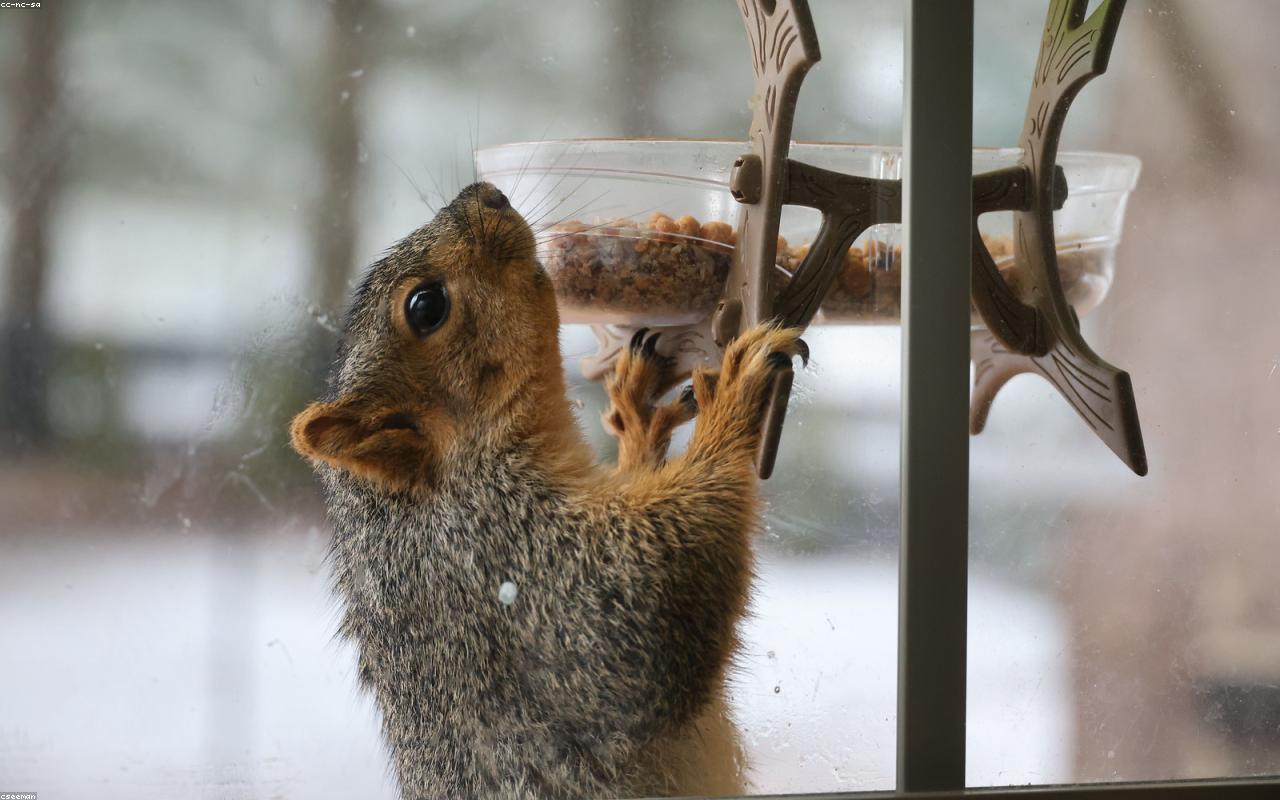
This is the conversation most backyard birders never have with anyone qualified to have it. The feeder is a convenience for the watcher and a hazard for the watched, and the hazard is almost entirely a question of maintenance.
The mechanism is simple. Wet seed, husks, and droppings accumulate on the feeder tray and at the perches. Birds defecate where they feed. The bacteria — most commonly Salmonella, Mycoplasma gallisepticum, and several strains of E. coli — colonize the surfaces. Finches, particularly siskins and goldfinches, are unusually susceptible. A single contaminated tube feeder can kill thirty birds in a week.
Dr. Cara Vahey, a wildlife veterinarian at Cornell University's Wildlife Health Lab, has been tracking finch mortality since 2018. Her informal estimate, given over the phone in March, is that backyard salmonellosis kills somewhere between four and seven million songbirds across North America every winter. Most of those deaths are preventable.
The prevention is unglamorous. A two-gallon bucket. A bottle of unscented household bleach. A long-handled bottle brush from the home brewing aisle of the hardware store. A pair of dish gloves the birder uses for nothing else.
Vahey's protocol, which she shares with anyone who asks, is unchanged since 2019. Empty the feeder. Dump the old seed in the trash, not the compost. Submerge the entire feeder in a 1:9 bleach-to-water solution for ten minutes. Scrub the tube interior, the perches, the seed ports, and the base. Rinse thoroughly. Let it air-dry in direct sun for at least two hours before refilling.
The interval matters. In summer, when humidity is high and seed spoils faster, the feeder should be cleaned every two weeks. In winter, monthly is acceptable in dry climates, every three weeks in wet ones. After any sign of a sick bird — a fluffed-up siskin sitting too long at the perch, a goldfinch with crusted eyes — the feeder comes down for at least two weeks regardless of schedule.
The ground under the feeder is the part most often neglected. Hulls and droppings accumulate there in a slowly composting mat that holds pathogens for months. Vahey recommends raking the area in early spring and again in late fall, and moving the feeder a few feet every season if the geometry allows. Birds will find it.
Some feeder designs are easier to keep clean than others. The tube feeder with metal seed ports and removable base is the current standard for a reason. Wooden hopper feeders look attractive on a deck rail and harbour bacteria in every joint. Tray feeders are easy to clean but expose seed to droppings from above.
The plastic-saucer hummingbird feeder, which has largely replaced the bottle-style inverted feeder in the past decade, is the easiest of all to maintain. Two pieces, both dishwasher-safe. The nectar should still be changed every two to four days in hot weather. Black mold in the ports is a sign the birder has been busy with other things.
There is a smaller, related question of what to do during an active outbreak in the neighbourhood. The standard advice from the National Wildlife Health Center, restated in February 2026, is to take feeders and bird baths down entirely for two to four weeks. The birds will not starve. They have other food.
Stennis followed the protocol. She kept her feeders down through March. She raked the ground under the hemlock and bagged the debris. When she put a single tube feeder back up on April 6, she set a calendar reminder on her phone for every other Saturday.
She has not found another dead bird in her yard since. The siskins have moved north for the breeding season, as they do, and the feeder is busy now with chipping sparrows and house finches and the occasional rose-breasted grosbeak passing through.
There is a tendency, in the literature aimed at backyard birders, to soft-pedal the question of disease. The implicit promise of the well-stocked feeder is that the birder is helping. The honest version is that the birder is helping if the birder is maintaining the equipment, and harming if not.
The maintenance is not difficult. It costs perhaps thirty minutes a month and the price of a brush. It is the membership fee for the hobby, paid in labour rather than money, and it is non-negotiable in any climate where finches gather in numbers.
Ruth Stennis still keeps the original photographs on her phone. She showed them to her granddaughter on Easter Sunday, by way of explaining why the feeder had been down for so long. The granddaughter is eleven and is now in charge of the bleach bucket. The schedule is on the refrigerator, written in pencil, and so far it has been kept.
Nothing in the routine is dramatic. The feeder comes down, gets washed, goes back up. The birds return within an hour. The Saturday is otherwise unremarkable. This is, in the end, what responsible feeding looks like — quiet, repetitive, and largely invisible to the people for whom the feeder is only a thing in the window.