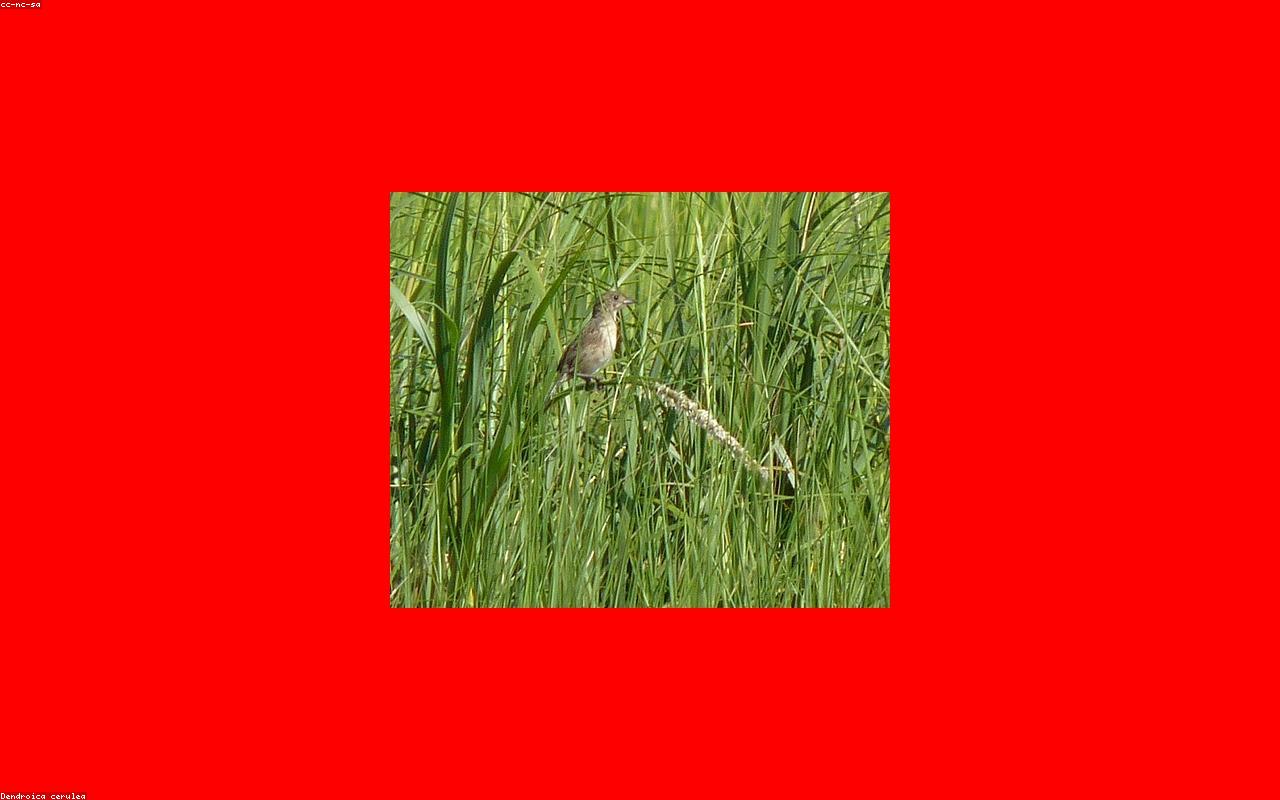
At 6:14 on the morning of May 14, 2026, a Blackburnian warbler was singing from the upper branches of a white oak in the Bigelow Chapel section of Mount Auburn Cemetery in Cambridge, Massachusetts, with about thirty-five people standing on the path below it.
The thirty-five people were the early-morning bird walk participants. The Blackburnian was one of seventeen warbler species recorded on the cemetery that morning, on what turned out to be one of the better migration days of a thin spring in eastern Massachusetts.
Mount Auburn has been functioning as a major spring migration stopover for the Boston metropolitan area for at least a hundred and fifty years. The earliest documented birding records from the cemetery date to the 1850s, within a generation of the cemetery's founding in 1831 as the first garden cemetery in the United States.
The reason the cemetery works is structural. It is sixty-eight hectares of mature deciduous woodland with mowed understory, scattered ponds, a high diversity of native and ornamental tree species, no through traffic, no domestic dogs off lead, and an unbroken canopy that connects across the Charles River basin to the larger green corridors of the Boston park system.
This is, in functional terms, a working migrant trap. A bird flying north up the eastern seaboard at three in the morning, looking down at the lights of greater Boston, sees a dark patch of mature forest in the middle of a sea of pavement. It comes down.
What it finds is enough food and cover to refuel for a day, a half-day, or sometimes a week before continuing north. The cemetery's combination of mature oaks, hickories, ashes, maples, and a healthy invertebrate community supports the energetic requirements of dozens of passerine species during the critical two to three weeks of peak warbler passage in mid-May.
The pattern has been replicated, often unintentionally, at urban cemeteries across the eastern United States. Green-Wood in Brooklyn, Allegheny in Pittsburgh, Bellefontaine in St. Louis, Spring Grove in Cincinnati, Forest Lawn in Buffalo: all are mature woodland cemeteries that function as substantial migration stopover sites for the cities around them.
Jasper Wynn spent the second week of May 2026 visiting four of these cemeteries on a tour that took him from New York to St. Louis. The pattern was consistent. The mature urban cemetery, especially in cities with limited park acreage, often supports more bird diversity per hectare during May migration than any other green space in the metropolitan region.
The point is not that cemeteries are the optimal habitat. The point is that they are what was preserved.
American urban park design through the late nineteenth and twentieth centuries tended toward open turf, ornamental planting, and sight-line management for safety. Cemeteries, which were under different management pressures and different aesthetic conventions, were often allowed to mature into closed-canopy forest with relatively low maintenance disturbance.
The result, by the 2020s, is that the cemetery in a typical eastern American city is often the largest patch of mature deciduous forest within the urban core.
This matters because the energetic cost of urban stopover, for a passerine migrant, is high. A bird that comes down in a city without adequate food and cover may not refuel quickly enough to continue its journey. The cumulative cost of inadequate stopover sites across the flyway has been one of the underappreciated drivers of long-distance migrant decline.
The cemetery, when it works, is a functional partial answer.
The cemeteries themselves have, in recent years, become more aware of their habitat value. Mount Auburn has a formal bird conservation program led by a wildlife biologist on staff. Green-Wood in Brooklyn has partnered with the Brooklyn Bird Club on systematic surveys. Allegheny in Pittsburgh has been quietly converting marginal turf areas to native shrub plantings.
The threats are also real. Several major American cemeteries have, in the past decade, removed mature trees to accommodate expanded burial plots, modified mowing schedules in ways that simplify the understory, or installed lighting that disrupts nocturnal migration.
The Mount Auburn model is, in some ways, the most fully developed example of how an urban cemetery can be managed as both a functioning cemetery and a working bird habitat. The cemetery has committed, in its formal management plans, to maintain its mature canopy, expand its native understory, manage its mowing on a wildlife-conscious schedule, and minimize artificial lighting.
This required institutional choice. It required someone on the cemetery's board, twenty years ago, to argue that the birds were part of what the cemetery was for.
The bird walks at Mount Auburn, which run several times a week through May and are free to the public, are now a substantial part of the cemetery's public engagement. The thirty-five people who stood under the Blackburnian warbler on the morning of May 14 included regulars who had been coming to the cemetery for thirty years and one couple from Indiana who had built the trip into a longer May vacation.
The cemetery is, of course, also a working cemetery. Burials continue. Families visit. The bird walks share the paths with mourners, and the etiquette of the cemetery requires that both activities yield to each other.
On the morning of May 14, when the Blackburnian moved from the white oak to a nearby red maple, the group followed quietly. A funeral procession had entered through the main gate. The birders stepped off the path and let it pass. The warbler kept singing.