The shelves at Wild Birds Unlimited in Latham, New York carry roughly forty discrete seed products. The store manager, a woman named Jen Mireles who has worked there since 2014, will tell anyone who asks that perhaps six of them are necessary, and that two will cover most species the customer will see from a kitchen window.
This is not the sales pitch the shelves imply. It is the truth as observed across thirty-eight winters of Project FeederWatch data, collated from more than 250,000 participating households across North America since the program began in 1987.
The two seeds are black-oil sunflower and Nyjer. The four that round out the working set are white proso millet, peanuts in or out of the shell, suet, and safflower. Everything else on the shelf is either a repackaging of these, an inert filler that birds reject, or a niche product for a single species the birder may or may not host.
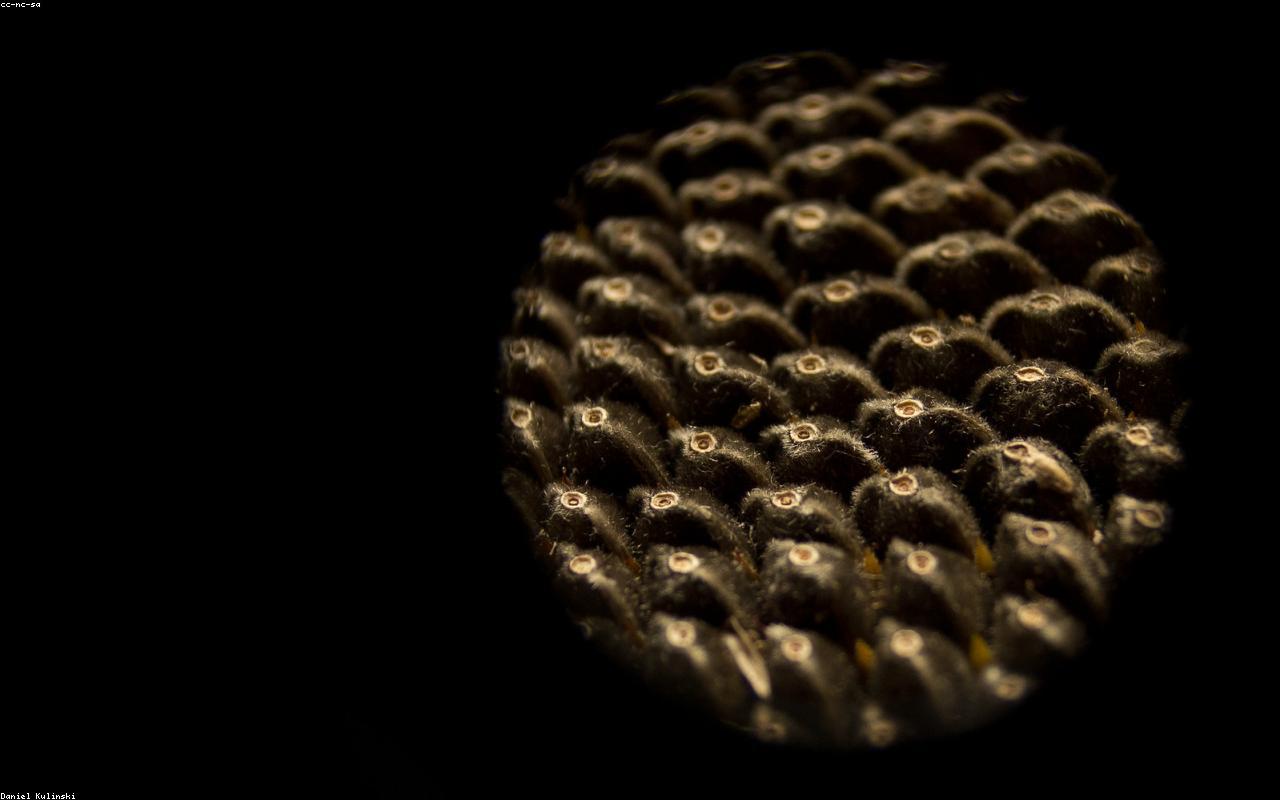
Black-oil sunflower is the universal seed of the North American feeder. The shell is thinner than the striped variety and easier for small beaks to crack. The kernel is higher in oil — roughly 40 percent fat by weight — which matters more in winter than at any other season. Project FeederWatch ranks it the preferred seed for 36 of the 50 most common feeder species in North America.
The list of species that take it includes essentially every finch, sparrow, chickadee, titmouse, nuthatch, jay, cardinal, woodpecker, and grosbeak the home observer will encounter. The exceptions are the doves and the juncos, which prefer seed on the ground, and the goldfinches, which prefer Nyjer when given a choice.
Nyjer — sometimes still labeled by its older trade name, thistle — is a small black seed from Guizotia abyssinica, an annual native to Ethiopia. It is sterilized before import to prevent germination of the agricultural pest plant. It is also extremely expensive per pound, which the home birder discovers about three weeks into the first winter of feeding goldfinches.
The expense is unavoidable if the goal is American goldfinch, pine siskin, common redpoll, and the occasional purple finch. These species have evolved to extract small seeds from composite flower heads, and they prefer the tube-style Nyjer feeder with its narrow ports to almost any other arrangement. A single goldfinch flock can empty a 16-ounce sock feeder in two days.
White proso millet is the seed for ground-feeders. Mourning doves, white-throated sparrows, song sparrows, dark-eyed juncos, eastern towhees, and the occasional indigo bunting will all take it readily from a tray or simply scattered on bare earth. The millet sold in cheap commercial mixes — usually red millet — is generally rejected and falls beneath the feeder to rot.
This is the heart of the seed-mix problem. The bargain bag at the grocery store is forty percent red millet, twenty percent cracked corn, ten percent milo, and perhaps thirty percent actual sunflower. The birds eat the sunflower and scratch the rest onto the ground. The birder mistakes a busy feeder for a successful one. The mat of rejected seed beneath the perches breeds bacteria and attracts rodents.
Peanuts deserve their own paragraph. In the shell, they bring blue jays and red-bellied woodpeckers and occasionally a tufted titmouse capable of carrying one off. Out of the shell, peanut pieces become the second-most-popular seed at most eastern feeders, taken by chickadees, nuthatches, woodpeckers, and the wintering yellow-rumped warblers that work the suburbs of the southern Atlantic states.
Suet is not seed, but it belongs in the same conversation. Rendered beef fat, sometimes with added seed or insects, suet is the winter calorie source for the woodpeckers, brown creepers, and the occasional Carolina wren. The plain cake without flavourings outsells the various fruit and nut blends because the birds do not particularly distinguish, and the unflavoured version is cheaper.
Safflower is the answer to a specific suburban problem. Eastern grey squirrels and most blackbirds find it unpalatable. Cardinals, chickadees, titmice, and house finches eat it without complaint. A feeder filled exclusively with safflower in a yard overrun by squirrels can shift the local economy of the backyard within a week.
What does not belong on the list, despite shelf space, is milo. Milo is a sorghum grain that no eastern feeder species will eat in measurable quantities. In the southwestern United States, it is taken by a small subset of ground-feeders, but east of the Rockies it functions purely as filler that increases bag weight at the wholesale level.
Cracked corn falls into a middle category. Doves, jays, juncos, and turkeys will take it from the ground. It also reliably attracts house sparrows, brown-headed cowbirds, european starlings, and rats. The birder who scatters cracked corn beneath the feeders is making a choice about the species composition of the yard that not every birder makes consciously.
Project FeederWatch publishes a seed-preference chart every two years, updated with the most recent winter's data. The 2025 edition, released in October, reaffirmed what the program has been saying since the late 1990s. There is no need for forty products. The same six seeds, in the right feeders, will host more than ninety percent of the species the home observer can reasonably expect.
Jen Mireles at the Latham shop estimates that perhaps a third of her customers leave with a fifty-pound bag of straight black-oil sunflower and nothing else. Another third leave with sunflower plus a small bag of Nyjer. The remaining third leave with one of the wildlife-society blends she stocks reluctantly, because she is not in the business of refusing customers their preferences.
She will tell anyone willing to listen that the simplest feeding setup — a single tube feeder of black-oil sunflower, a Nyjer sock, and a suet cage — produces more reliable bird activity, with less waste and less ground mess, than any elaboration. She has been telling people this for twelve years. The shelf of mixes is still full.
The honest takeaway from thirty-eight years of citizen-science feeder data is that the seed question was settled some time ago, and that the seed industry's incentive to keep it unsettled is structural rather than ornithological. The birder willing to ignore the marketing can spend less, waste less, and see more.
Whether this is a useful piece of knowledge depends on what the feeder is for. If the goal is to host the birds the yard can host, the list is short. If the goal is to feel that the birder is participating in a complex hobby with many products and many decisions, the seed aisle will continue to oblige.